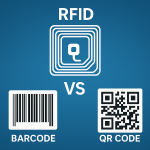
he year 2024 closes with record-breaking numbers for the global RFID (Radio-Frequency Identification) market. This technology, which enables the identification and tracking of objects, people, and animals using radio signals, continues to expand at an impressive pace, revolutionizing industries such as logistics, retail, industrial automation, and many others.
Record Numbers for 2024
According to Mordor Intelligence, the RFID market reached a value of $14.98 billion in 2024. This growth is expected to continue with a compound annual growth rate (CAGR) of 11.68%, bringing the market to $26.01 billion by 2029.
An additional confirmation comes from Global Market Insights, which estimates the RFID market at over $15 billion in 2023. The projected growth is even faster, with a CAGR of over 12% between 2024 and 2032. This indicates an increasing adoption of the technology in various industrial applications.
Finally, an article from Automazione Plus forecasts that the RFID market will reach $40.9 billion by 2032, up from $15.8 billion in 2023. These figures highlight how RFID technology continues to be a cornerstone of technological innovation.
Key Applications of RFID Technology
The market growth is driven by the adoption of RFID technology in key sectors such as:
- Supply Chain and Logistics: RFID improves traceability and inventory management, reducing costs and increasing operational efficiency.
- Retail: Retailers use RFID to better manage stock, prevent losses, and enhance the customer experience.
- Healthcare: The technology is employed to track surgical instruments, monitor patients, and manage pharmaceuticals.
- Industrial Automation: RFID is essential for optimizing production processes, improving predictive maintenance, and ensuring safety.
Future Forecasts
Continuous innovation and the integration of RFID with other technologies, such as IoT (Internet of Things), are accelerating global adoption. Companies are recognizing the strategic value of RFID to improve efficiency, reduce costs, and gain a competitive edge.
By 2032, RFID technology is expected to become ubiquitous, with increasingly sophisticated and scalable applications. The ability to track and analyze data in real-time will bring tangible benefits in terms of productivity and sustainability.
Conclusions
2024 marks a pivotal year for the RFID market, with record numbers underscoring the growing importance of this technology in key industries. With significant growth forecasts, it is clear that RFID will continue to play a crucial role in the global technological evolution.
For more details, refer to the analyses from Mordor Intelligence, Global Market Insights, and Automazione Plus.